Understanding Aperture in Flower Photography for Beginners
Capturing the delicate beauty of flowers can be incredibly rewarding, but it requires understanding how your camera works. One of the most important settings to master is aperture. This simple yet powerful control affects how much light enters your camera and how much of your photo appears sharp. For flower photography, aperture plays a key role in creating images that stand out, whether you want a soft, dreamy background or a detailed, sharp flower.
What is Aperture?
Aperture is the opening inside your camera lens that controls how much light reaches the camera sensor. Think of it like the pupil of your eye: it gets bigger in the dark to let in more light and smaller in bright light to let in less. Aperture size is measured in f-stops, such as f/2.8, f/5.6, or f/16. A lower f-stop number means a wider opening, allowing more light in, while a higher f-stop number means a smaller opening, letting in less light.
Why Aperture Matters in Flower Photography
When photographing flowers, aperture affects two main things:
Depth of field: How much of the image is in focus, from front to back.
Exposure: How bright or dark the photo appears.
Depth of Field and Flower Photography
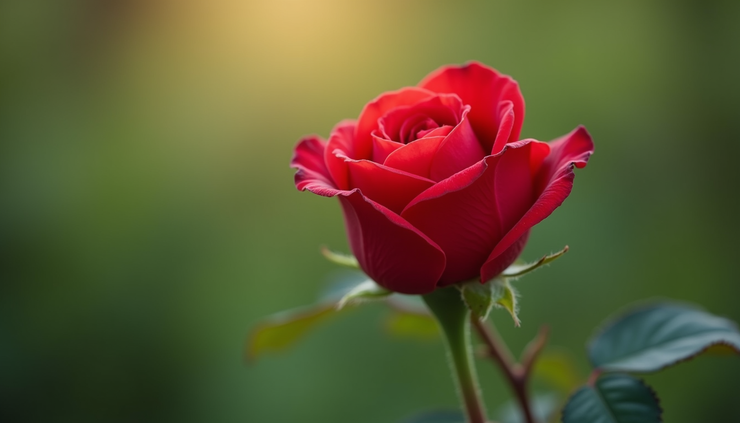
Depth of field (DoF) is crucial when shooting flowers. A shallow depth of field means only a small part of the image is sharp, and the rest is blurred. This effect isolates the flower from the background, making it pop. A wide aperture (small f-stop number like f/2.8 or f/4) creates this shallow depth of field.
On the other hand, a deep depth of field means most of the image is in focus. This is useful if you want to show the flower along with its surroundings clearly. A narrow aperture (large f-stop number like f/11 or f/16) achieves this.
Exposure and Aperture
Aperture controls how much light hits your camera sensor. A wide aperture lets in more light, which is helpful in low-light situations like early morning or cloudy days. A narrow aperture lets in less light, which can prevent overexposure in bright sunlight.
Choosing the Right Aperture for Flowers
Using a Wide Aperture for Soft Backgrounds
If you want to highlight a single flower and blur the background, use a wide aperture such as f/2.8 or f/4. This technique is great for portraits of flowers where the background might be distracting. The blurred background, also called bokeh, creates a pleasing contrast that draws attention to the flower’s details.
Using a Narrow Aperture for More Detail
When photographing a cluster of flowers or a flower with interesting surroundings, use a narrow aperture like f/11 or f/16. This keeps more of the scene in focus, showing the flower and its environment clearly. It’s especially useful when you want to capture texture or patterns on petals and leaves.
Balancing Aperture with Other Settings
Aperture works together with shutter speed and ISO to create a well-exposed photo. If you choose a wide aperture, you might need a faster shutter speed to avoid overexposure. If you pick a narrow aperture, you may need a slower shutter speed or higher ISO to let in enough light.
Practical Tips for Beginners
Start with aperture priority mode: This camera mode lets you pick the aperture while the camera adjusts shutter speed automatically. It’s a great way to learn how aperture affects your photos.
Use a tripod for narrow apertures: Smaller apertures require longer exposure times. A tripod keeps your camera steady and prevents blur.
Experiment with different apertures: Take several shots of the same flower using different f-stops. Compare how the background and flower sharpness change.
Watch your background: A busy background can distract from your flower. Using a wide aperture helps blur it out.
Focus carefully: When using a shallow depth of field, focus precisely on the part of the flower you want sharp, like the petals or the center.

Common Mistakes to Avoid
Using too wide an aperture for group shots: If you photograph multiple flowers, a very shallow depth of field might blur some flowers unintentionally.
Ignoring light conditions: Aperture affects exposure, so don’t forget to adjust shutter speed or ISO accordingly.
Not checking focus: When using wide apertures, the focus area is very narrow. Missing focus can ruin the shot.
Overusing blur: While a blurred background is beautiful, sometimes too much blur removes context or interest.
Final Thoughts on Aperture and Flower Photography
Mastering aperture gives you control over how your flower photos look. You can create dreamy portraits with soft backgrounds or sharp images showing every petal detail. The key is to practice and observe how changing aperture affects your photos. Start with simple setups, experiment with different f-stops, and soon you will capture flowers in ways that truly express their beauty.
Try shooting the same flower at different apertures and compare the results. This hands-on approach will build your confidence and help you understand aperture’s role in flower photography. With time, aperture will become a powerful tool in your creative toolkit.


Comments